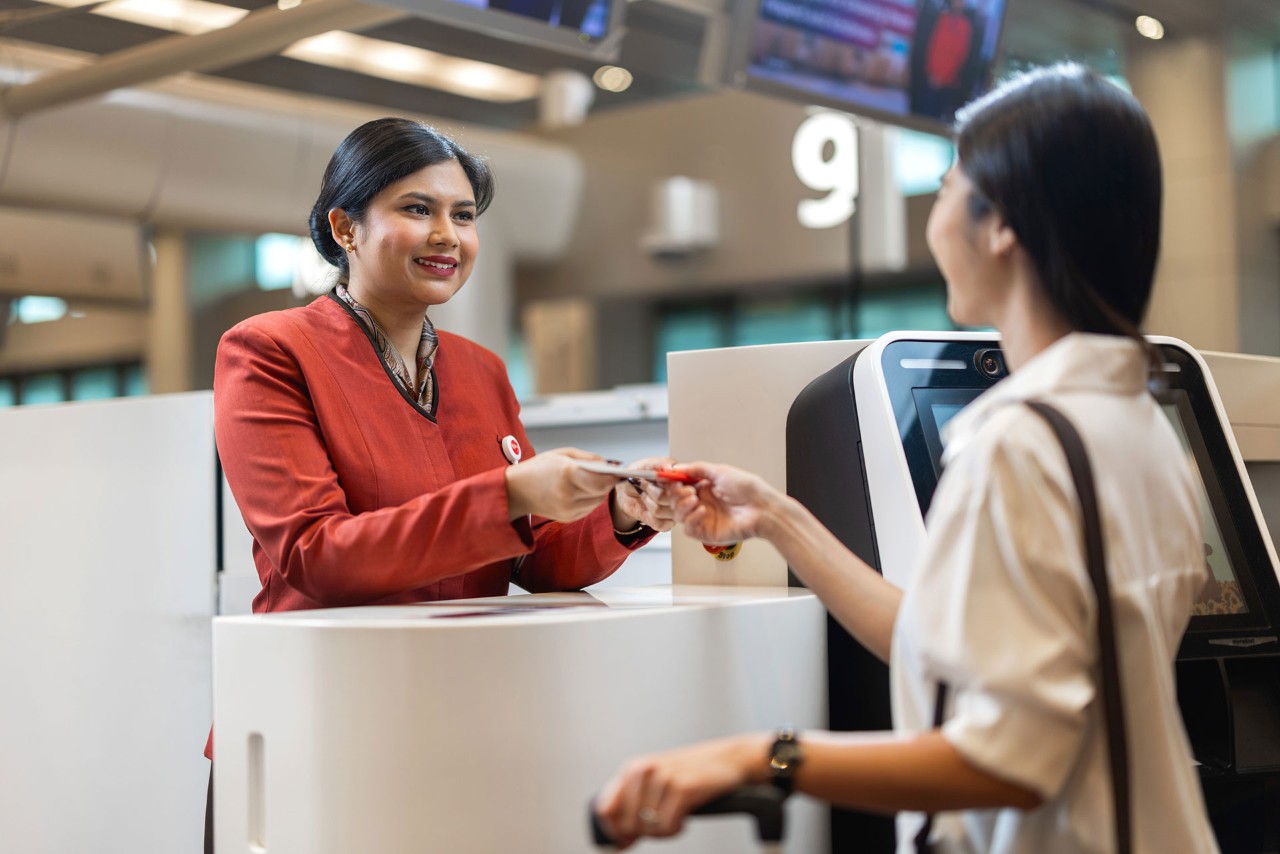
Feng Ya-Yun (Diane), Customer Care Officer, SATS Singapore Hub Baggage Arrival Services (Changi Airport Terminal 2)
Diane, a Customer Care Officer at SATS Baggage Arrival Services in Singapore Changi Airport (SIN), has seen passengers leave behind almost everything imaginable – passports, mobile phones, earphones, jewellery, even a bag containing a family member's ashes.
Most of us don't realise our belongings are missing until we have left the airport. Some discover it after checking into a hotel, while others only notice when they arrive in another city or country. Understandably, panic kicks in.

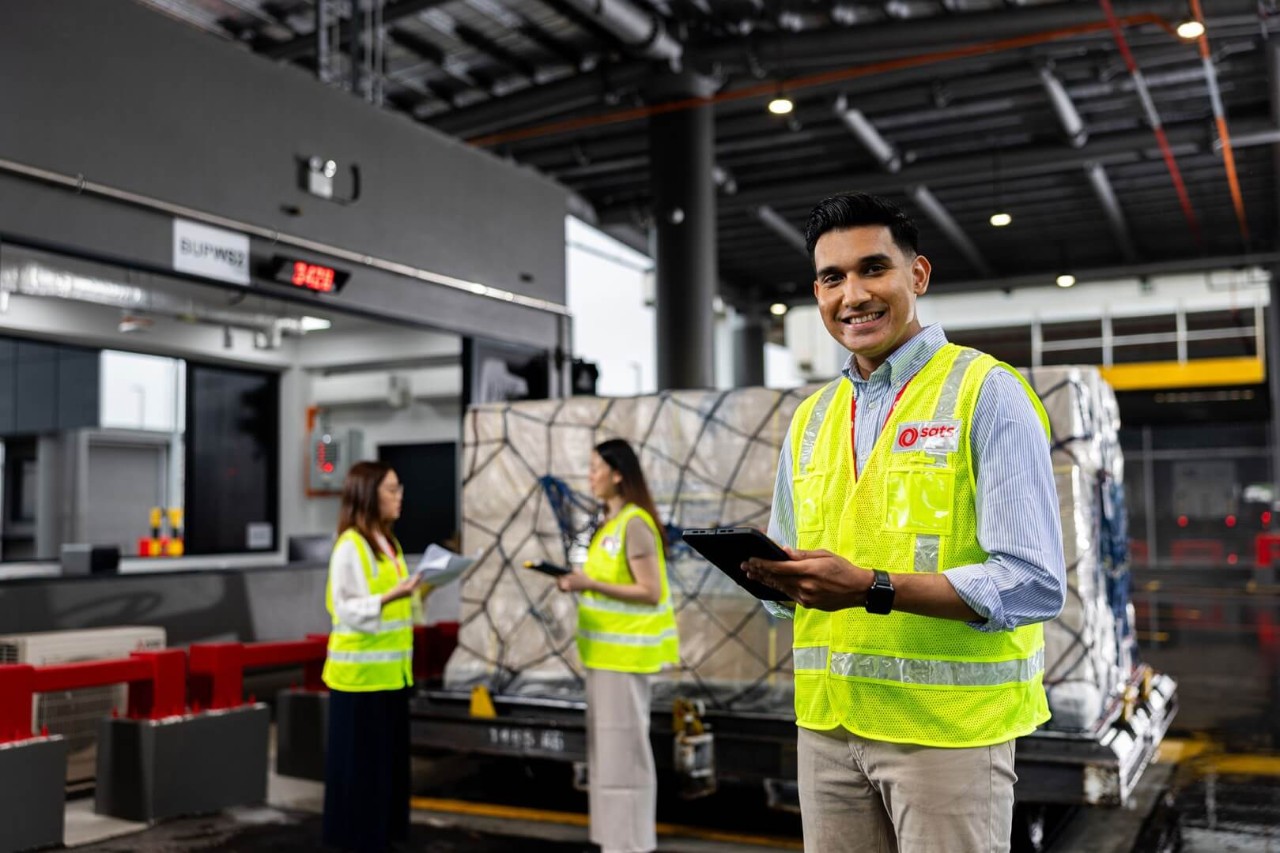
Edgar Urvina, Ground Handling Agent - Primary Supervisor, WFS Denver, a SATS company (Denver International Airport)
In another part of the world, about 8,000 miles away, Edgar, a Ground Handling Agent at Denver International Airport (DEN), takes care of a different kind of concern.
He looks out for someone waiting at the baggage carousel for a suitcase that has been loaded onto another flight or travelled to another city.
Although located in two different airports, both Diane and Edgar have the same mission at work: to help air travellers recover their bags and belongings.

Airlines handle billions of passenger bags globally each year. The good news is that 99.5% of checked baggage arrives safely and on time; only about 6.3 bags per 1,000 passengers are classified as mishandled.
Even then, most bags are not permanently lost. Behind the scenes, airport and airline teams work quickly to track them down, with most delayed bags returned to their owners within 48 hours.
With passengers' expectations increasing, so too has investment in baggage tracking technology. Today, over 85% of airlines have already added or are adding improved tracking systems, so bags can be followed at key points of their journey.
However, lost baggage is only one side of passenger baggage recovery.
Airports and airlines also deal with thousands of forgotten personal items. Passports left in seat pockets, tablets forgotten in overhead compartments, or wallets misplaced during a long journey. Items that may seem ordinary can quickly become a source of stress when they disappear.
Behind many of these recoveries are teams from the SATS Group, through its subsidiaries and joint ventures including Worldwide Flight Services (WFS) and Ground Team Red (GTR), supporting airlines with baggage handling, baggage tracing, passenger services, and airport lost-and-found operations across multiple locations in Asia and the Americas.

For many passengers, one of the most uncomfortable moments in travel happens at the baggage belt. Everyone else's luggage arrives, but yours doesn't.
This scenario is often when Edgar gets involved.
As a Ground Handling Agent - Primary Supervisor at WFS Denver, a SATS company, he helps passengers whose baggage has been delayed, damaged, or mishandled. While travellers assume their suitcase has disappeared, Edgar knows there's usually a logical explanation.
Contrary to popular belief, most missing bags are not actually lost. Common causes of "lost" luggage include tight flight connections, transfer errors between aircraft, weather-related disruptions, gate changes, bags being loaded onto a later flight, or baggage being misrouted during transfers.
Still, the goal is to reunite every forgotten, lost, delayed, or mishandled bag with its owner as quickly as possible.
"We collect key information, check the tracking system to see when the bag was last scanned, and contact the ramp team and other airport stations to help find the bag," he explains.
New technology now allows baggage teams to follow a bag's journey through the airport network. By reviewing available information like flight details and baggage scan histories, Edgar and his colleagues can often pinpoint where a bag was last seen and arrange for it to continue its journey to where it's supposed to go.

"Every delayed bag means there's someone anxiously waiting for their belongings. Their checked bag might have medication, clothes for an important occasion, or things they need for their journey, so we do everything we can to help them get a piece of their journey back," says Edgar.
Read also: What happens to your bag after check-in
One of the most common questions passengers ask is: What happens to luggage that is never claimed? Do airports auction off lost bags?
In reality, a bag is not considered unclaimed until extensive efforts have been made to locate and contact its owner.
Baggage teams investigate records, review tags, trace routing histories, and work with airlines and stations across the network to reunite passengers with their belongings.
Most bags are successfully traced and returned long before it ever reaches the "unclaimed bag" stage.
While many people think of baggage services as dealing mainly with luggage, SATS operates airport lost and found stations to help our airline clients and their passengers find items accidentally left behind.
This is where you'll find Diane, who has been with SATS for eight years now. She works on a different side of baggage recovery and specialises in left on-board property or items found after a flight.
During ground servicing, after passengers have disembarked, SATS security team conducts cabin checks and uncovers forgotten belongings. These recovered items are then handed to Diane and her colleagues, who begin the process of documenting, sorting, and matching them against passenger reports.

The SATS team follows a methodical process to make sure every item is returned to the rightful owner.
"We cannot simply assume an item belongs to someone," Diane says about the verification process. "We need to make sure it is returned to the correct owner."
The team may use flight information, seat numbers, passenger reports, item descriptions, serial numbers, and airline records to confirm ownership.
Ask Edgar and Diane what they enjoy most about their jobs, and neither starts by talking about bags. Rather, they talk about people.
Edgar says one of the most rewarding parts of his role is turning a difficult travel experience into a positive one. "When someone is worried because their bag didn't arrive, being able to help them stay calm, communicate clearly, and reunite them with their belongings really makes a difference," he says.
By providing updates, managing expectations, and helping passengers understand the recovery process, Edgar and the WFS team at DEN offer assurance during what can be an anxious experience.
Diane has experienced similar moments. One especially memorable case was helping recover a bag that held a passenger's family member's ashes after travel disruptions. Recovering the item required close coordination between multiple teams and careful handling because of its deep personal significance.
Stories like these are a reminder that lost property and bags are rarely just objects. They are connected to important moments, memories, and milestones in passengers' lives.
Neither Edgar nor Diane works alone.
Recovering missing baggage or returning forgotten items involves multiple teams, airports, and organisations working together.
Edgar regularly coordinates with ramp teams, passenger service agents, baggage service representatives, airline stations, and airport authorities. Diane works closely with security teams, airline operations teams, counter staff, and overseas airport colleagues.
As passengers, we may only interact with a single representative when lodging a report, but what we don't see are more people behind the scenes making calls, checking records, tracing belongings, and coordinating across locations to recover the belongings we have lost.

After years (five for Edgar and eight for Diane) of helping passengers, both have practical advice for airline passengers to reduce the risk of lost baggage and property.
Edgar's recommendations:
Diane's recommendations:
Sometimes, simple habits can save you from a lengthy search.
But when something does go missing, rest assured knowing that SATS and WFS teams, together with our airline partners, are already working behind the scenes to reunite you with your bags, belongings, or valuables.
Q: What should I do if my baggage does not arrive?
Report it immediately at the airport baggage services counter before leaving the arrivals area. Your baggage tag number is one of the most important pieces of information for tracing the bag.
Q: What should I do if I leave something on a plane?
Contact the airline or airport lost property team as soon as possible. Details such as your flight number, seat number and a description of the item can help teams identify it more quickly.
Q: What long does it take to recover luggage or lost item?
Many delayed bags are reunited with their owners within 48 hours, although recovery times vary depending on the item's location and the case's complexity.
Q: Do airports auction lost luggage?
Only after extensive tracing efforts, storage periods, and attempts to contact the owner. Most delayed baggage and lost property are recovered long before reaching that stage.
Q: What does SATS do in baggage services?
SATS provides baggage handling services, among other airport ground handling services, for airlines across its network. Through SATS and WFS, a SATS company, the Group supports airlines and airports across Asia and the Americas, helping passengers with everything from delayed baggage recovery to airport lost-and-found services.